

Daily news on business and economy in Hungary
Provided by AGP
Reducing animal suffering in cancer research with FBS-free cell culture models
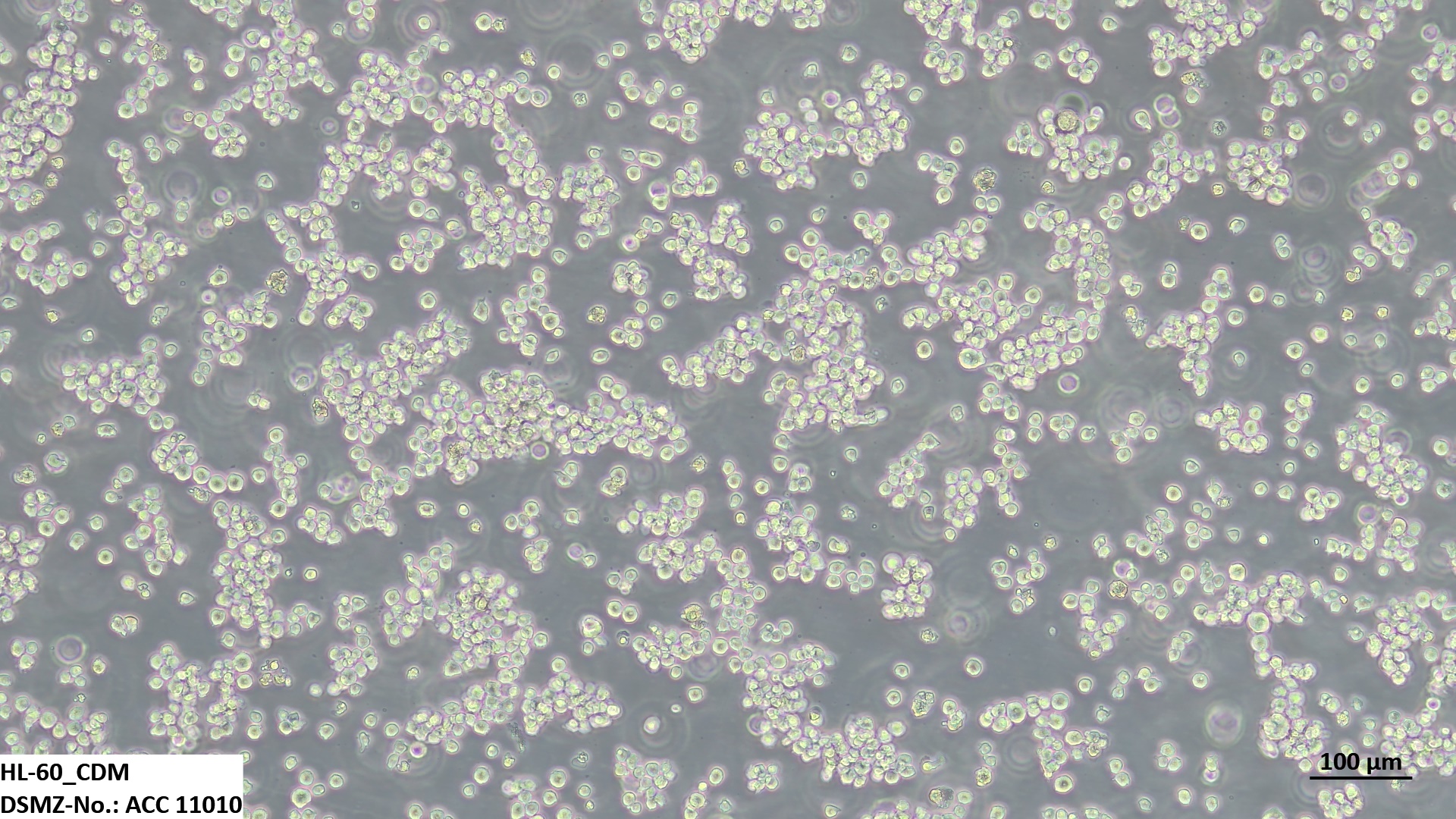
The cell line HL-60 is a commonly used model for acute myeloid leukaemia and can be cultured and cryopreserved in chemically defined medium without the use of fetal bovine serum. It is available under accession number ACC 11010 in the DSMZ catalogue
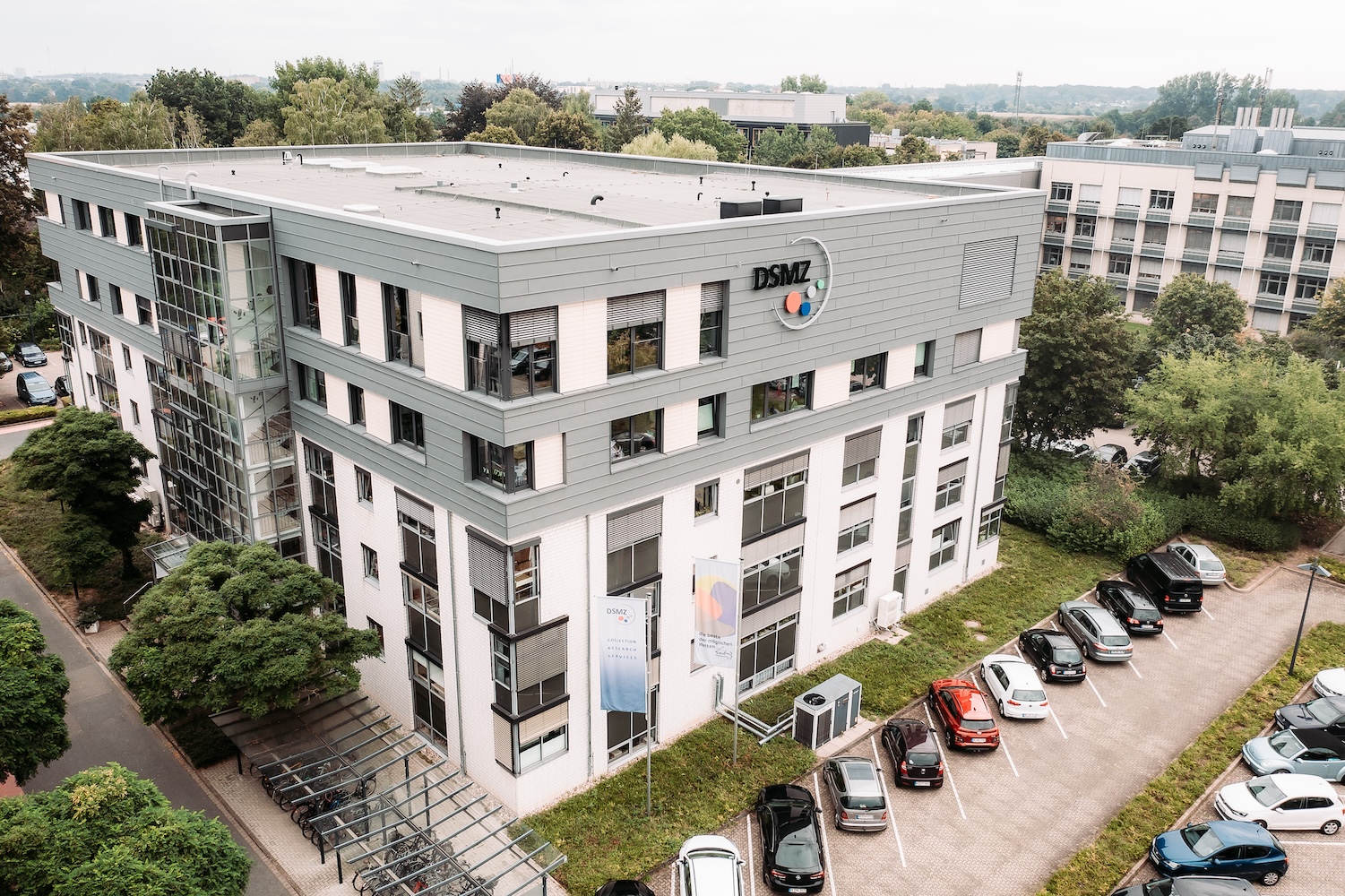
Main building of the Leibniz Institute DSMZ on the Science Campus Braunschweig-Süd
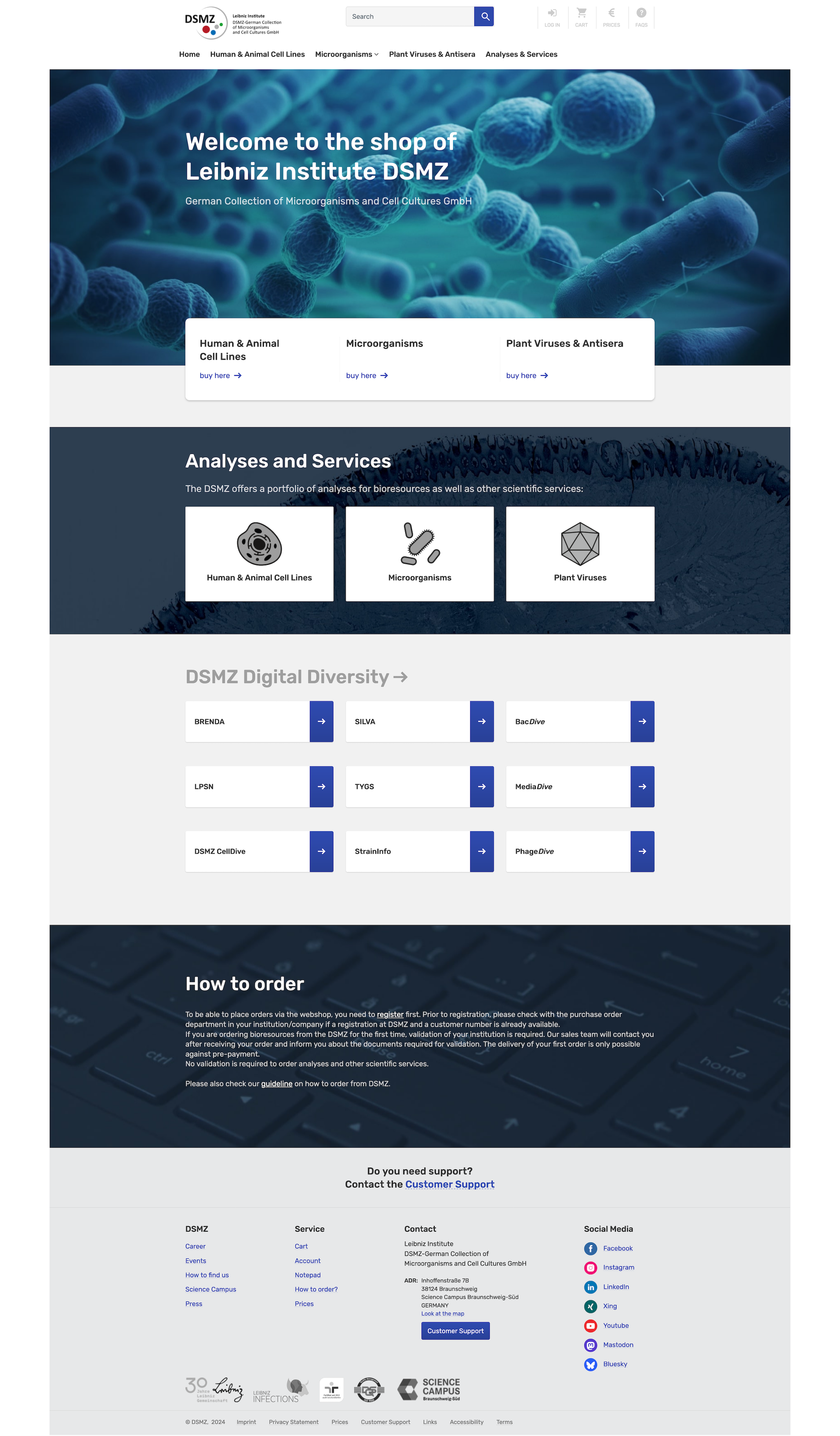
DSMZ web shop
Development and characterisation of human cancer cell lines in animal-component-free media at the DSMZ
BRAUNSCHWEIG, LOWER SAXONY AREA, GERMANY, May 12, 2026 /EINPresswire.com/ -- For decades, human cancer cell lines have been indispensable models for cancer research, already replacing a significant amount of animal experiments. However, the use of fetal bovine serum (FBS) in their cultivation is easily overlooked: While promoting the growth of most cell types in the culture dish, the media supplement is ethically questionable as its production involves animal suffering. Additionally, the use of FBS is associated with a number of scientific drawbacks (i. e. problems regarding reproducibility). Therefore, FBS-free media are considered the future of cell culture.
Adaptation of four commonly used human cancer cell lines
To promote the transition towards FBS-free cell culture, the working group Tumor Biology headed by Dr. Sonja Eberth within the department of Human and Animal Cell Lines at the DSMZ – German Collection of Microorganisms and Cell Cultures GmbH, has adapted four widely used human cancer cell lines (HELA, HL-60, K-562, JIMT-1) to different animal-component-free media. To replace the problematic FBS, human platelet lysate as well as entirely chemically defined media were successfully applied. Through comprehensive macroscopic and molecular characterisation, it was demonstrated that the characteristic cancer-relevant features were maintained in the FBS-free cultures. Accordingly, cell lines cultivated in appropriate alternative culture media are equally suitable for research as the FBS-containing cultures. The study´s findings have recently been published in the journal Alternatives to Animal Experimentation.
FBS-free cell lines in the DSMZ portfolio
To sustainably promote the change towards FBS-free and reproducible cell culture, the DSMZ – as the first cell line bank to do so – is now offering access to the successfully adapted and characterised cancer cell lines to the international scientific community through its catalogue. The first cell line in this series is the leukaemia cell line HL-60, adapted to a completely chemically defined medium (https://www.dsmz.de/collection/catalogue/details/culture/ACC-11010). “Thus, individual working groups do not need to invest time and money for the adaptation and characterisation of cancer cell lines to FBS-free media. As the cell lines we have adapted and their molecular data are now readily available, it is possible to make a data-driven decision regarding the suitability of an FBS-free culture for a specific research project ”, says Dr. Sonja Eberth.
Background: production of fetal bovine serum
The production of FBS involves animal suffering because fetal blood is taken without sedation as pregnant cows enter the slaughterhouse. Additionally, FBS is a mixture of undefined and varying composition. The fluctuating nature of its composition can therefore impact the reproducibility of cell culture experiments. Since alternative media are not universally applicable, their suitability must be tested for each individual cell line. This constitutes a significant practical hurdle for the transition to FBS-free cell culture.
Original publication: Koelz, A. L., Pommerenke, C., Woitschewski, P., Merkhoffer, Y., Dirks, W. G., & Eberth, S. (2026). Multiparametric evaluation of different FBS-free replacement media for widely used human cancer cell lines. ALTEX - Alternatives to Animal Experimentation. https://doi.org/10.14573/altex.2512111
Press contact
PhDr. Sven-David Müller, Head of Public Relations, Leibniz Institute DSMZ-German Collection of Microorganisms and Cell Cultures GmbH, Phone: ++49 (0)531/2616-300, Mail: press@dsmz.de
About the Leibniz Institute DSMZ
The Leibniz Institute DSMZ-German Collection of Microorganisms and Cell Cultures is the world's most diverse collection of biological resources (bacteria, archaea, protists, yeasts, fungi, bacteriophages, plant viruses, genomic bacterial DNA as well as human and animal cell lines). Microorganisms and cell cultures are collected, investigated and archived at the DSMZ. As an institution of the Leibniz Association, the DSMZ with its extensive scientific services and biological resources has been a global partner for research, science and industry since 1969. The DSMZ was the first registered collection in Europe (Regulation (EU) No. 511/2014) and is certified according to the quality standard ISO 9001:2015. As a patent depository, it offers the only possibility in Germany to deposit biological material in accordance with the requirements of the Budapest Treaty. In addition to scientific services, research is the second pillar of the DSMZ. The institute, located on the Science Campus Braunschweig-Süd, accommodates more than 94,400 bioresources and has around 210 employees. www.dsmz.de
The Leibniz Association
The Leibniz Association connects 96 independent research institutions that range in focus from natural, engineering and environmental sciences to economics, spatial and social sciences and the humanities. Leibniz Institutes address issues of social, economic and ecological relevance. They conduct basic and applied research, including in the interdisciplinary Leibniz Research Alliances, maintain scientific infrastructure, and provide research-based services. The Leibniz Association identifies focus areas for knowledge transfer, particularly with the Leibniz research museums. It advises and informs policymakers, science, industry and the general public. Furthermore, a special focus is placed on technologically relevant research and active technology transfer: Leibniz Institutes bring innovative developments into targeted application and promote the implementation of new technologies in society through cooperation with business and industry. Leibniz institutions collaborate intensively with universities – including in the form of Leibniz ScienceCampi – as well as with industry and other partners at home and abroad. They are subject to a transparent, independent evaluation procedure. Because of their importance for the country as a whole, the Leibniz Association Institutes are funded jointly by Germany’s central and regional governments. The Leibniz Institutes employ around 21,400 people, including 12,200 researchers. The financial volume amounts to 2,3 billion euros. www.leibniz-gemeinschaft.de
PhDr. Sven David Mueller, M.Sc.
Leibniz-Institut DSMZ
+49 531 2616300
email us here
Visit us on social media:
LinkedIn
Bluesky
Instagram
Facebook
YouTube
X
Other
Legal Disclaimer:
EIN Presswire provides this news content "as is" without warranty of any kind. We do not accept any responsibility or liability for the accuracy, content, images, videos, licenses, completeness, legality, or reliability of the information contained in this article. If you have any complaints or copyright issues related to this article, kindly contact the author above.
